ENGINEERING BLOG

Silicon security — deep dives from the zeroRISC team

FIPS 140-3, OpenTitan architecture, DICE attestation, lifecycle state machines, and physical attack countermeasures — written by the engineers building the IP.

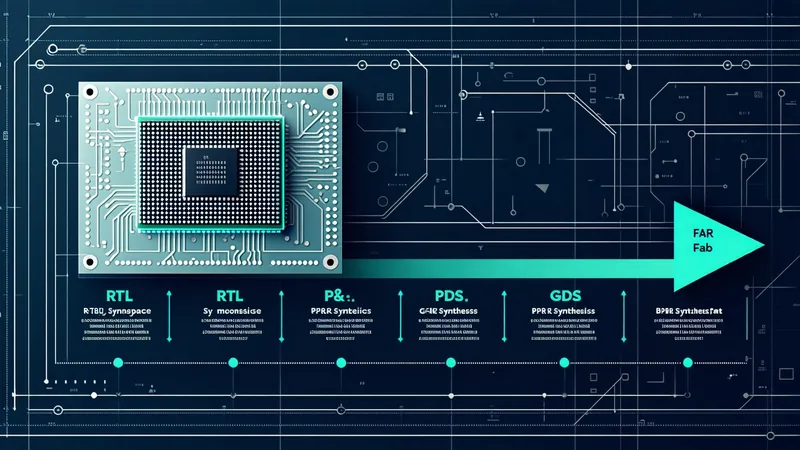
OEM Tape-Out with OpenTitan-Based Root-of-Trust: A Practical Timeline — cover image
· 12 min read

OEM Tape-Out with OpenTitan-Based Root-of-Trust: A Practical Timeline

From RTL delivery to GDS sign-off, integrating an OpenTitan-based root-of-trust into an OEM SoC tape-out takes 8–10 weeks if you know the pitfalls. This guide walks through the bus integration, OTP memory map configuration, and tapeout checklist items your team will face.

OpenTitan Tape-Out Integration
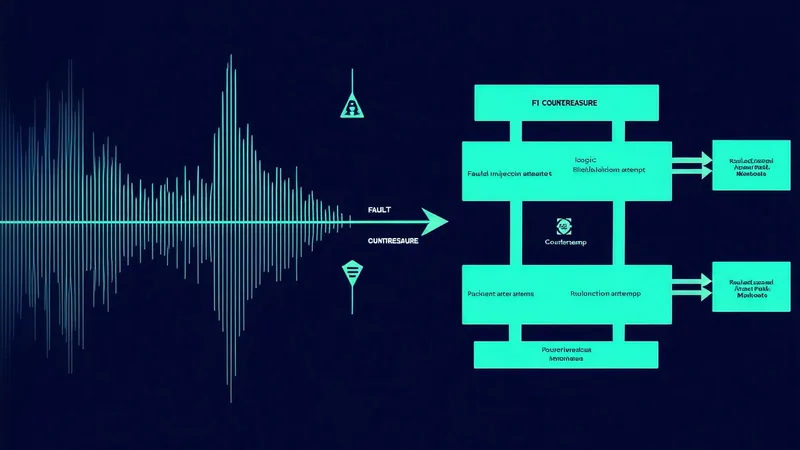
Side-Channel and Fault-Injection Resistance in Commercial Silicon IP — cover image
· 11 min read

Side-Channel and Fault-Injection Resistance in Commercial Silicon IP

EMFI, laser fault injection, voltage glitching, and differential power analysis are practical attacks against silicon cryptographic modules. We survey the countermeasure techniques a production-grade root-of-trust IP block must implement to reach FIPS 140-3 Level 3.

Side-Channel Fault Injection Physical Security
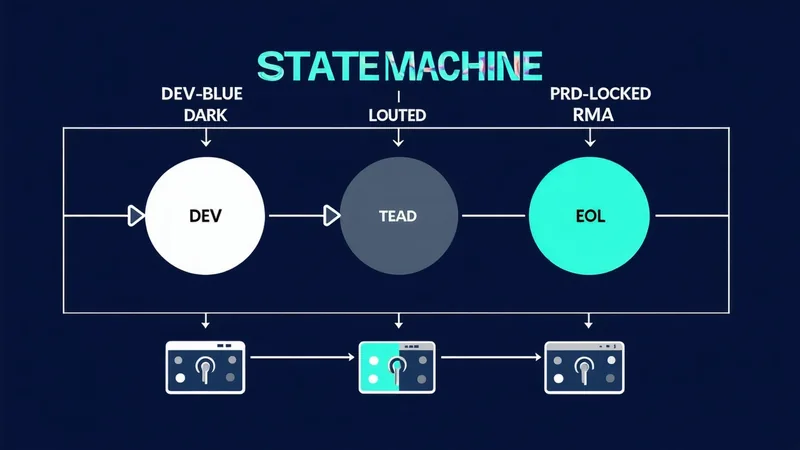
Designing the Silicon Security Lifecycle: DEV, PROD, RMA, and EOL State Machine — cover image
· 10 min read

Designing the Silicon Security Lifecycle: DEV, PROD, RMA, and EOL State Machine

The lifecycle state machine is the backbone of silicon security. Getting DEV-to-PROD locking wrong means field devices remain debuggable. We explain how OTP-backed state persistence and tamper-evident lifecycle architecture prevent the most common production security failures.

Lifecycle States OTP Silicon Security

Stay current on silicon security

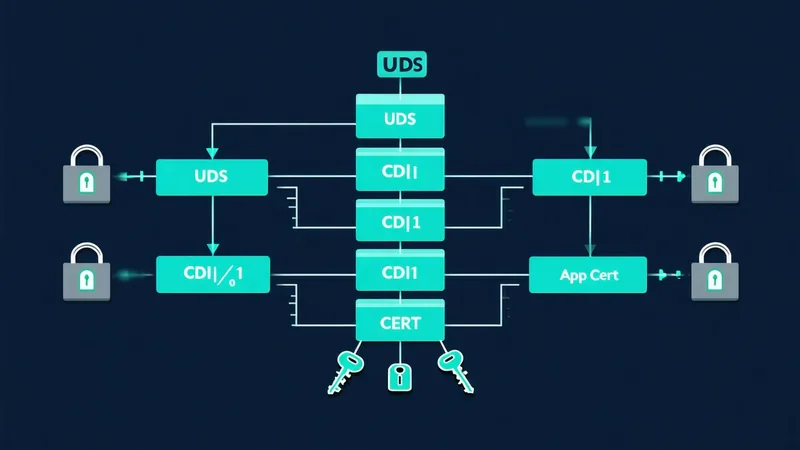
New articles cover FIPS 140-3 updates, DICE attestation, and OpenTitan integration notes. Contact us to be notified when new technical content is published.